

Call Us: (213) 863-9464
31
Dec
Los Angeles dentist helps patients address gum disease
Have you ever brushed your teeth and noticed a little bit of blood in the sink? That is a common sign of gum disease but one that most people overlook. Dr. Mungcal is a trusted Los Angeles dentist who has helped many patients address gum disease, tooth decay, and other oral health problems. He helps patients learn more about the causes, symptoms, and treatments for gum disease. Here’s an easy way to remember it: Healthy Gums Don’t Bleed!
According to a recent study from the CDC, 47.2% of adults aged 30 years old and older have some form of periodontal disease. Periodontal disease increases with age. 70.1% of adults 65 years old and older have periodontal disease.
What is gum disease?
Gum disease starts with bacteria in the mouth. We all have it! The bacteria can be found on the plaque on your teeth and begins to feed on that plaque/build-up, causing it to swell. That is when most individuals notice that their gums will bleed while brushing. That leads to gingivitis – inflamed gums. If not addressed at this stage, gingivitis can advance to periodontitis (gum disease) as the gum begins to pull away from the teeth, forming an open pocket that continues to damage both the gums and the teeth.
What causes gum disease?
Plaque is the typical cause of gum disease; however, it can also be caused by hormonal changes during pregnancy or menopause, illness such as diabetes, medications that decrease the amount of saliva in the mouth, and family history.
Symptoms of gum disease
Gum disease can begin and progress without causing pain or any apparent signs. However, specific symptoms often point to a form of gum disease, including:
- Bleeding, red, sore, or inflamed gums
- Gums that are receding
- Bad breath that will not go away
- Teeth that feel loose or are beginning to shift
- Changes in your bite or the way dentures or other oral appliances fit
If you notice one or more of these symptoms, call your dentist for an oral exam. Your dentist will do an exam to check for bleeding or swelling of the gums, tooth movement, proper alignment or sensitivity, and the health of your jawbone.
Treatment for gum disease
If you do have gum disease, it is essential to know that it can be treated. However, the earlier gum disease is caught, the easier and faster the treatment will be.
- Treating gingivitis usually includes things like a professional cleaning by a trained hygienist and better oral health care habits at home – flossing and using an electric toothbrush. Your dentist may also prescribe an antibiotic mouthwash to kill the bacteria in your mouth.
- Treatment for more advanced stages of periodontitis can include a deeper cleaning of the teeth and gums in which the gums are lifted away from the teeth, and the pockets are thoroughly cleaned, removing all plaque/tartar build-up. We are now incorporating a brand new laser treatment process for folks with gum disease. Other treatments can include gum grafting to restore areas of the gum that may have receded.
- Regularly scheduled cleanings. The old standard was every six months. Recent studies are now showing that certain strains of bacteria can return in as little as 30 days. The new standard is soon to become every 3-4 months for a cleaning.
Our staff is thoroughly equipped to get you started on the road to total oral health. For more information about gum disease, call Downtown Dental at 213-863-9464.
Share this Article
![Dr. Don Mungcal]()
Dr. Don Mungcal
![Dr. Tara Mavadat]()
Dr. Tara Mavadat
![Dr. Ivan Chan]()
Dr. Ivan Chan


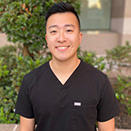
As the cornerstone and founder of Downtown Dental, Dr. Don Mungcal is a proactive and
exceptionally talented dentist who is determined to contribute to the health and wellbeing of his community by
attending to their dental care needs.
With over 28 years of experience and service, Dr. Mungcal makes it his responsibility to be the best version of himself by being his patients’ go-to point for any and all dental concerns. In addition to being meticulous in his work ethic, he is also an individual who understands development and change. He updates and informs himself constantly through various continuous educational programs that he undertakes. He also invests in the latest state-of-the-art technology to provide world-class dental services.
Dr. Mungcal graduated from UCLA and the University of the Pacific Dental School and is presently a member of several acclaimed medical associations, including the California Dental Society.
Dr. Tara Mavadat was always passionate about dentistry and is committed to helping patients achieve excellent oral health and beautiful smiles that last long. Having earned her Doctor of Dental Surgery degree from the University of the Pacific Dugoni School of Dentistry, she focuses on comprehensive general dentistry with an emphasis on preventive dentistry. Her primary goals are to provide comfort and quality as well as exceptional esthetic outcomes to every patient.
Dr. Ivan Chan is enthusiastic about dentistry and his patients' oral health and is dedicated to providing compassionate and effective care. He is a highly skilled dentist who received his undergraduate degree from the University of California, San Diego. He earned his Doctor of Dental Surgery (DDS) at the University of California, San Francisco School of Dentistry.
Dr. Chan has extensive training in general dentistry. He focuses on creating lasting smiles while attempting to prevent gum disease and cavities. He looks forward to assisting you with all your needs while assuring you that your trust is always in good hands, regardless of your needs!
With over 28 years of experience and service, Dr. Mungcal makes it his responsibility to be the best version of himself by being his patients’ go-to point for any and all dental concerns. In addition to being meticulous in his work ethic, he is also an individual who understands development and change. He updates and informs himself constantly through various continuous educational programs that he undertakes. He also invests in the latest state-of-the-art technology to provide world-class dental services.
Dr. Mungcal graduated from UCLA and the University of the Pacific Dental School and is presently a member of several acclaimed medical associations, including the California Dental Society.
Dr. Tara Mavadat was always passionate about dentistry and is committed to helping patients achieve excellent oral health and beautiful smiles that last long. Having earned her Doctor of Dental Surgery degree from the University of the Pacific Dugoni School of Dentistry, she focuses on comprehensive general dentistry with an emphasis on preventive dentistry. Her primary goals are to provide comfort and quality as well as exceptional esthetic outcomes to every patient.
Dr. Ivan Chan is enthusiastic about dentistry and his patients' oral health and is dedicated to providing compassionate and effective care. He is a highly skilled dentist who received his undergraduate degree from the University of California, San Diego. He earned his Doctor of Dental Surgery (DDS) at the University of California, San Francisco School of Dentistry.
Dr. Chan has extensive training in general dentistry. He focuses on creating lasting smiles while attempting to prevent gum disease and cavities. He looks forward to assisting you with all your needs while assuring you that your trust is always in good hands, regardless of your needs!